What Photos and Videos Should You Take Immediately After a Car Accident for the Claim?
A car accident can leave even a careful driver unsure about what to record at the scene. Clear photos and videos can help preserve details that may become difficult to remember once vehicles move, traffic resumes, or the road is cleared.
The aim is not to create dramatic footage, but to document the situation calmly and accurately. A simple visual record can support your description of the incident and help the insurer understand how the accident may have actually occurred.
Accident Scene Photos
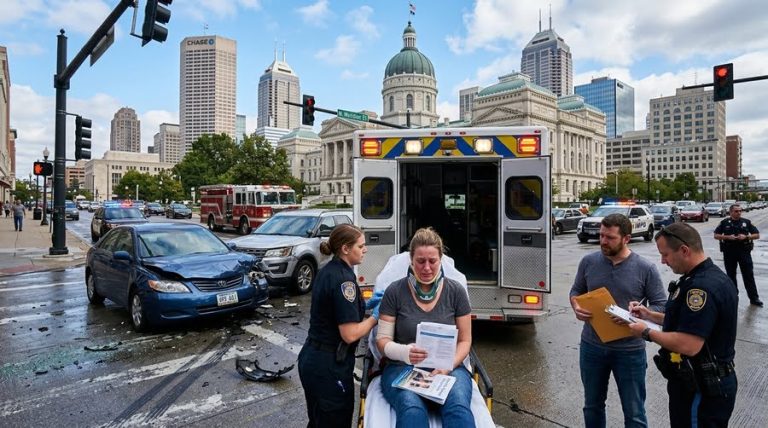
Start by photographing the overall scene before anything changes, provided it is safe to do so. Clear photographs can help document how the accident occurred and may also support the information required when filing a claim under your car insurance policy.
- Capture both vehicles from a safe distance.
- Include the direction in which each vehicle was travelling.
- Photograph nearby junctions, dividers, barriers, or landmarks.
- Record visible road conditions such as standing water, poor lighting, or damaged surfaces.
- Avoid stepping into traffic for a better angle.
Vehicle Damage Photos
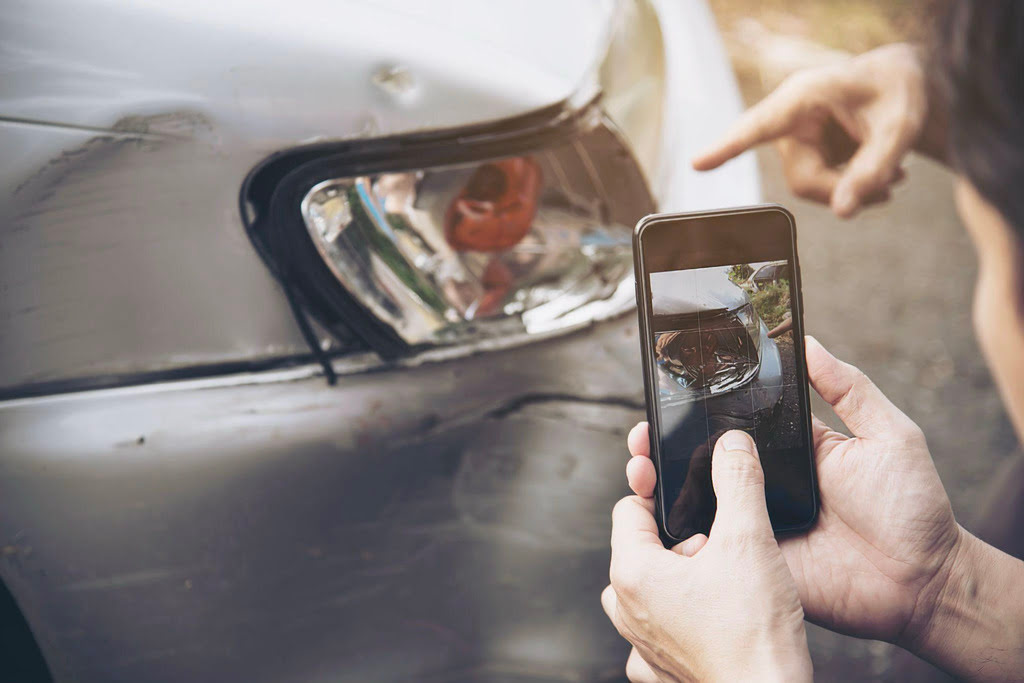
Take clear photographs of every visible damaged area, even when some marks appear minor. Wider images show where the damage sits on the vehicle, while closer images can record dents, scratches, broken lights, cracked panels, or displaced parts.
- Photograph the damaged side from several sensible angles.
- Include wider shots showing the complete vehicle.
- Take close views of the main impact area.
- Record damage to mirrors, lights, wheels, windows, and bumpers.
- Do not move loose parts merely to improve the photograph.
Number Plate Photos
Number plate photographs help identify the vehicles involved and can reduce confusion later, especially when more than one vehicle is present. Capture plates only when you can do so safely and without interfering with traffic or people nearby.
- Photograph your vehicle’s number plate clearly.
- Capture the other involved vehicle’s plate where visible.
- Make sure the letters and registration details are readable.
- Take a wider image showing the plate attached to the vehicle.
- Keep the original image without unnecessary editing.
Road and Traffic Sign Photos
Road markings and traffic signs can add important context to the accident scene. They may show lane directions, turning restrictions, stop lines, speed-control features, signals, or temporary road arrangements that were relevant immediately before the collision occurred.
- Photograph visible traffic lights or signal positions.
- Capture stop lines, lane arrows, crossings, and road markings.
- Include nearby warning, diversion, or restriction signs.
- Record obstructed or damaged signage when relevant.
- Take wider photographs showing clearly how the signs relate to the vehicle positions.
Skid Marks and Debris Photos
Skid marks, broken vehicle parts, glass, mud, or scattered debris may help show the area where contact or sudden braking occurred. Photograph these details before they are moved or cleared, but only from a position that does not expose you to traffic.
- Capture the full visible length of marks where possible.
- Photograph debris in relation to the vehicles.
- Include wider views for location context.
- Record broken parts without handling them.
- Avoid standing in the carriageway to get a closer image.
Injury Photos
Photographs of visible injuries can form part of the accident record, but personal safety and medical care should always come first. Take images only when appropriate, with consent where another person is involved, and never delay treatment for documentation purposes.
- Record visible cuts, bruising, swelling, or torn clothing where relevant.
- Keep the photographs clear and factual.
- Respect the privacy and dignity of injured people.
- Do not photograph someone who objects.
- Preserve related medical documents separately if they are later provided.
360-Degree Accident Video
A slow, full-circle video can capture details that individual photographs may miss. Stand in a safe position and record the scene steadily, showing the vehicles, road layout, nearby signs, traffic flow, and surrounding conditions without walking into danger.
- Begin with a wide view of the scene.
- Pan slowly rather than moving the phone quickly.
- Show where each vehicle is positioned.
- Include signals, junctions, barriers, and surroundings.
- Keep commentary factual if you speak.
- Avoid arguments, speculation, or assigning blame on camera.
Vehicle Damage Video
A separate video of the vehicle can create a continuous visual record of visible damage. Move around the vehicle slowly, keeping the camera steady and close enough to show affected areas while giving enough context to identify where each damaged section is located.
- Start with a complete view of the vehicle.
- Move gradually around each side.
- Pause at damaged panels or parts.
- Show wheels, lights, mirrors, glass, and bumpers where affected.
- Avoid touching unstable or sharp components.
- Keep the original recording.
Conclusion
Useful accident documentation is about clarity, not quantity. A few well-framed photographs and steady videos can preserve the scene, vehicle damage, registration details, road features, debris, and visible injuries in a way that supports a later claim explanation. Always prioritise personal safety, medical assistance, and traffic safety before recording anything. Keep the original files securely and share them with your insurer when requested. Claim assessment and document requirements may vary according to the circumstances and applicable individual policy terms involved.