
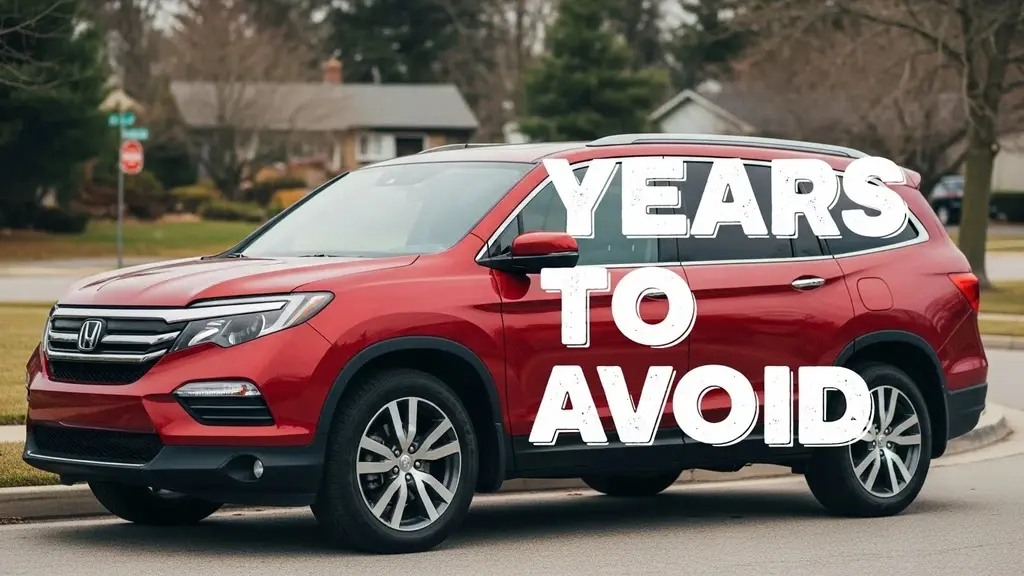
Honda Pilot Years to Avoid | Save Money on Expensive Repairs
If you’re thinking about buying a used Honda Pilot, it helps to know which model years had the most problems and how they compare in terms of vehicle model reliability. Some years saw issues with the engine, transmission, or electrical systems that caused headaches for owners.
Avoiding these years can save you time and money on repairs. In this article, we’ll highlight the Honda Pilot years to avoid based on reliability and owner reports, so you can make a smarter choice when shopping for your next SUV.
Common Problems Found in Honda Pilot Models
I never overlooked the Honda Pilot over the years and I realized that there were certain models that caused worse trouble than others. In case you are planning to buy one, take a moment and know about these issues in certain Honda Pilot years:
Transmission Issues
Some of the early Honda Pilots presented issues in terms of transmission, such as slippage of gears or harsh shifting. Such problems can lead to severe driving issues and become costly to fix. One should test drive very cautiously and should observe any strange noises during the shifting or delays.
Engine and Oil Problems
Certain Pilot models tend to burn oil at a faster rate compared to normal. Unless you get it fixed early, this can cause significant engine damage in the long run. Regular inspection and changing of oil lead to a preventive measure of expensive repairs.
Infotainment Faults and Electrical Failures
The electronics of some Pilot years are not very reliable and the dashboard, sensors, or entertainment system can malfunction. Although these issues are not always related to driving, they are annoying and costly to repair. When inspecting a used model, be careful of warning lights and faulty displays.
Fuel System Issues
Some Honda Pilots have encountered the problem of faulty fuel injectors or pumps that lead to stalling or delivering a hesitating movement. This compromises performance and can prove to be life-threatening when the engine stalls accidentally, increasing the risk of car crashes. Before making a purchase, it is wise to have the entire fuel system inspected.
Other Trouble Spots
In addition to large systems, Pilots occasionally encounter leaks, unusual sounds, or air conditioning issues. Airbags and safety equipment have also been recalled in some of the model years. These minor problems accumulate and reduce the car’s overall stability.
Honda Pilot Years to Avoid
I’ve checked out many Honda Pilots and noticed some years gave owners more trouble than others. If you want a reliable SUV, it’s smart to avoid certain model years that have known problems.

2003-2005
The early Honda Pilots from 2003 to 2005 often suffered serious transmission failures and rough shifting. Owners faced costly repairs that made these models frustrating to drive and maintain, and some were even forced to sell as a junk car. Electrical system problems were common, causing extra headaches on top of the mechanical issues.
2006-2008
Pilots from 2006 to 2008 continued to experience transmission slipping and hard shifting problems during normal driving. Repairing these transmission issues could be very expensive and sometimes require full replacements. It is very important to have the transmission carefully inspected before buying one of these years.
2016
Honda Pilot 2016 has been associated with engine knocking and transmission slipping, which resulted in numerous headaches. These problems led to costly repairs for owners who often struggled to fix them. Buyers should always check the service history and test drive carefully before deciding.
2017-2018
Some 2017 and 2018 Pilots had annoying electrical faults affecting infotainment screens and dashboard systems. While these problems don’t usually stop the car from running, they can be costly to repair. Always test all the electronics thoroughly before buying one of these models.
How to Identify Problem Years When Buying Used
When you shop for a used Honda Pilot, start by checking the full service and repair history carefully. Look for repeated repairs or major fixes on the engine and transmission systems, which show big red flags. During the test drive, listen closely for rough gear shifts, unusual engine noises, or hesitation when accelerating.
Also, make sure all electronics and dashboard warning lights work correctly, since electrical issues can be hidden. It’s very important to bring a trusted mechanic who knows Honda Pilots to do a thorough inspection. This way, you can catch problems early and avoid buying a model that will cost you a lot later.
Recommended Honda Pilot Years for Reliability
I’ve checked many Honda Pilots and found some model years stand out for their reliability and fewer issues. Picking the right year helps you avoid big repair costs and enjoy your SUV more. Here are the best years to look for when buying a used Pilot.

2012
The 2012 Honda Pilot fixed many earlier problems and improved engine and transmission reliability. Owners say it drives smoothly with fewer costly repairs compared to older models. This year is a solid choice if you want a dependable SUV without surprises.
2013
The 2013 Pilot continued to improve with better fuel efficiency and a more refined ride. Many owners report low maintenance costs and strong performance from the V6 engine. It’s a smart buy for those wanting reliability and comfort.
2014
This model year added more safety features and kept its reputation for strong reliability. The transmission shifts smoothly, and the engine runs well without major issues. Many buyers say it offers great value for the price.
2015
The 2015 Pilot has one of the best reliability records in the entire lineup. It combines comfort, performance, and fewer known problems compared to other years. Choosing this year means fewer worries about repairs down the road.
2019
The 2019 Honda Pilot offers improved reliability with fewer reported engine and transmission problems. Owners praise its smooth handling and upgraded safety features compared to older models. This year is a solid pick if you want a newer Pilot with better dependability.
Tips for Negotiating Price When Buying a Used Honda Pilot
I’ve learned that negotiating the price when buying a used Honda Pilot can save you a lot of money. Knowing the right tips and tricks gives you an advantage during the buying process.
- Research the specific model year’s common problems to use as leverage for a lower price.
- Always ask for a detailed vehicle history report showing repairs and maintenance records.
- Get a trusted mechanic to inspect the car and share their findings with the seller.
- Point out any needed repairs or upcoming maintenance costs to justify your offer.
- Be polite but firm, and don’t be afraid to walk away if the price feels too high.
- Compare prices of similar Pilots in your area to know a fair market value.
Using these tips helps you negotiate smarter and avoid overpaying.
Conclusion
Choosing the right Honda Pilot year can save you from costly repairs and endless headaches. Avoiding problem years like 2003–2005, 2006–2008, and 2016 helps ensure you get a reliable SUV.
Always check the vehicle’s history and have a mechanic inspect it before buying. Picking more reliable years like 2012 to 2015 will give you peace of mind and a smoother driving experience. Being careful with your choice makes all the difference in enjoying your Honda Pilot.


