What Should Drivers Pay Attention to Right After a Car Accident
A car accident changes the atmosphere around a road within seconds.
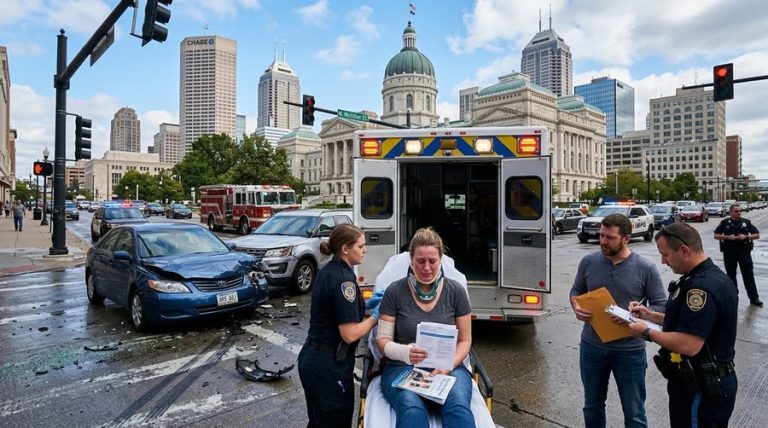
Traffic slows down, people start staring, phones come out, and confusion spreads faster than anyone expects. Most drivers focus only on the damage sitting in front of them, but the important details are usually happening all around the scene instead. A rushed conversation, a missed photo, or one emotional statement can create problems long after the vehicles leave the road. That is why the first stretch of time after a crash matters so much.
Calm decisions and careful attention often shape insurance discussions, repair issues, and conversations with auto accident attorneys later.
Safety Should Come Before Everything Else
Drivers often react emotionally after crashes because the sound of impact and sudden confusion create panic immediately. Some people jump out of their vehicles too quickly without checking themselves for injuries, while others begin arguing about fault before understanding the full situation clearly.
Paying attention to safety first helps reduce further problems at the accident scene. Drivers should check for injuries carefully, notice nearby traffic conditions, and move vehicles only if it is safe to do so. Busy roads can become dangerous after accidents because distracted drivers may not notice stopped vehicles ahead.
Remaining calm also matters more than people realize. Emotional reactions sometimes lead drivers to apologize automatically or make statements they later regret. Staying focused allows people to notice details more clearly while helping conversations remain controlled instead of chaotic.
The Road Around the Crash Holds Important Clues
Accident scenes contain information that disappears quickly once traffic starts moving again. Drivers who pay attention early usually remember the situation more clearly later during insurance discussions and vehicle investigations.
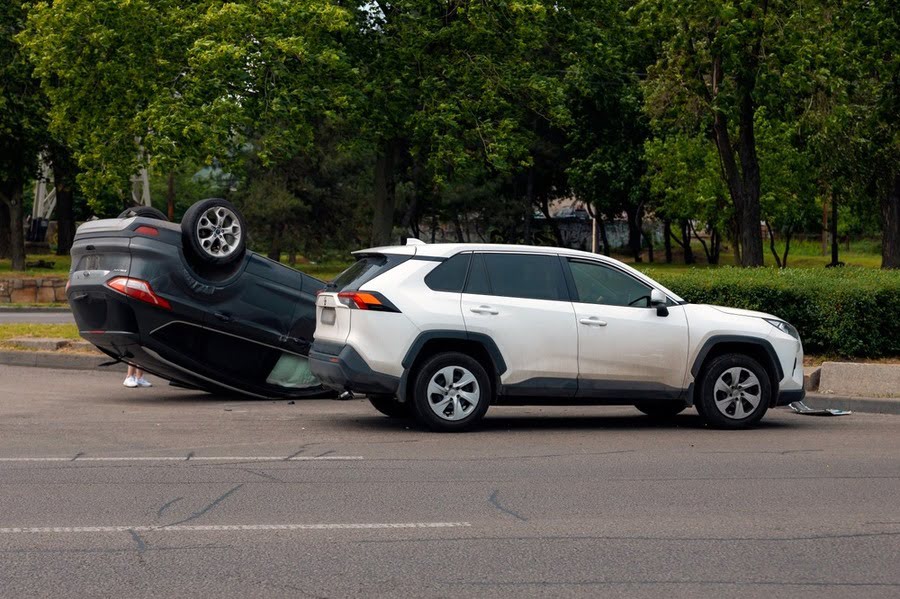
Road conditions often play a larger role in crashes than people expect. Wet pavement, poor lighting, broken traffic signals, heavy traffic, and blocked road signs may all contribute to confusion at the scene. Vehicle placement also matters because the position of damage can sometimes explain how the collision happened better than verbal explanations alone.
Photos become useful because they preserve details before the area changes completely. Many drivers only photograph the damaged bumper or broken headlight, but wider pictures often provide better context later.
Important details people commonly forget include:
- skid marks on the road
- nearby traffic cameras
- broken street signs
- weather conditions
- vehicle positions after impact
These details may appear unimportant during stressful moments, but they often become valuable later during claim reviews and repair discussions.
Witnesses Can Change the Direction of the Story
People involved in accidents do not always remember events clearly because stress affects memory quickly. A witness standing nearby may notice details that both drivers completely missed during the collision.
Someone walking near the intersection may have seen a driver using a phone before the crash happened. Another person may notice unsafe lane changes or sudden turns that explain how the accident started. Witnesses sometimes provide balance during situations where drivers disagree about fault or road conditions.
The problem is that witnesses disappear fast. Many continue with their day after emergency vehicles arrive or traffic begins moving normally again. Drivers who fail to collect contact information early may lose access to valuable observations later.
Even one honest witness statement can reduce confusion during insurance conversations and help support a clearer understanding of the accident.
Pain and Insurance Pressure Often Arrive Later
Many drivers feel physically normal right after accidents because adrenaline temporarily hides pain. Headaches, back soreness, dizziness, and neck stiffness may not appear until several hours later. Paying attention to these changes matters because delayed symptoms can slowly interfere with daily activities and medical treatment decisions.
Insurance conversations also begin much faster than people expect. Calls sometimes arrive before drivers fully organize their thoughts about what happened at the scene. Keeping photographs, medical paperwork, repair estimates, and police report details organized can help reduce unnecessary confusion later.
This stage is also where discussions involving vehicle damage costs and auto accident attorneys sometimes become more serious because missing information may create delays or disagreements.
The Small Details Usually Stay Important the Longest
A car accident may last only a few seconds, but the details noticed afterward often remain important for weeks. Calm actions, clear thinking, and careful observations usually help drivers avoid unnecessary confusion later during insurance and repair discussions.
Drivers who pay close attention immediately after crashes often remember road conditions, conversations, witness observations, and vehicle damage more accurately than those reacting emotionally. Small details collected early can shape how the entire accident story is understood long after traffic begins moving normally again. Careful attention during stressful moments often prevents problems from developing afterward.