
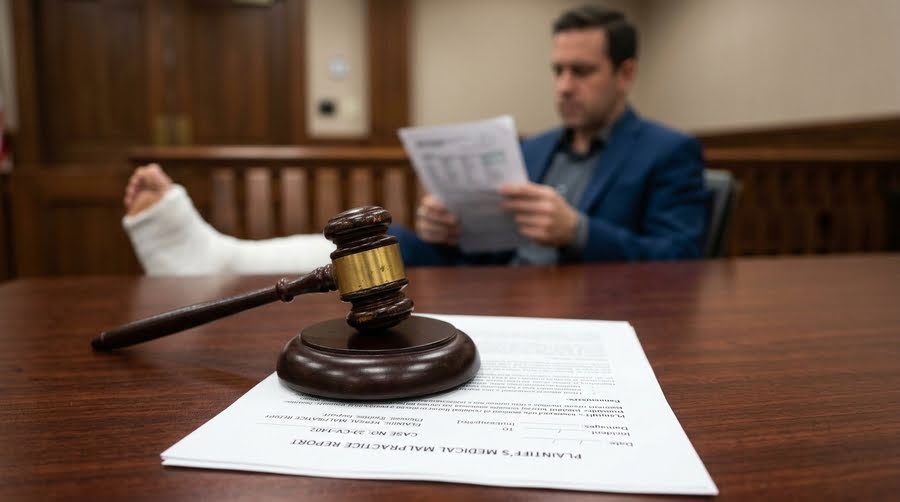
When Does an Injury Become a Legal Matter?
Not every injury turns into a lawsuit. Most don’t. Someone trips, sprains an ankle, takes a few days off work, and moves on. But some injuries—the kind that require surgery, force extended time away from work, or leave lasting effects on a person’s ability to function — are different. They carry real financial consequences. And in many cases, someone else’s negligence is what caused them. In Arkansas, where car accidents, trucking collisions, workplace injuries, and slip-and-fall incidents produce serious harm every year, understanding when an injury crosses the line into legal territory matters.
Before assuming a situation doesn’t rise to that level, it’s worth getting an informed opinion. The team at Rainwater, Holt & Sexton offers free case evaluations, and with a contingency fee structure meaning they don’t get paid unless you do, there’s no financial risk in finding out where you actually stand. More often than not, people who assumed their case wasn’t worth pursuing had more options than they realized.
Someone Else’s Negligence Caused the Harm
This is the core question in most personal injury cases. Was someone else responsible — at least in part—for what happened to you?
Negligence doesn’t require intent. A driver who ran a red light didn’t mean to cause a crash. An employer who skipped required equipment maintenance didn’t set out to injure a worker. A property owner who left a wet floor unmarked didn’t plan for someone to fall. But in each case, a failure to act reasonably caused harm to another person, and that’s what gives rise to a legal claim.
The question isn’t whether someone meant to hurt you. It’s whether they failed to meet a reasonable standard of care, and whether that failure caused your injury.
The Injury Has Real Financial Consequences
Minor injuries that heal quickly and cost little rarely justify the effort of a legal claim. But when an injury produces serious financial impact, that changes the picture significantly.
Medical bills are the obvious starting point. Emergency room visits, specialist appointments, imaging, physical therapy, surgery, prescription medication, medical equipment — it adds up fast. In serious cases, it can reach six figures before a person is fully treated. Beyond the bills, people also lose income. Weeks away from work, or a reduced ability to work long-term, affects financial stability in ways that aren’t always visible on day one. Pain and suffering — real and ongoing — also has recognized legal value.
When the financial impact of an injury is significant, ignoring it isn’t frugal. It’s leaving compensation on the table that legally belongs to you.
The Insurance Company Isn’t Playing Fair
Sometimes the legal question isn’t whether a claim exists—it’s whether the process of resolving it requires legal help. Insurance companies are businesses. They have adjusters, attorneys, and systems specifically designed to minimize what they pay out. A lowball offer, a denial with shaky reasoning, or delays designed to pressure you into settling — these are tactics, not coincidences.
When an insurer’s behavior doesn’t match what your situation actually warrants, that’s a sign that navigating it alone puts you at a disadvantage. A personal injury attorney changes that dynamic. It signals that you understand your rights, you’re not going to accept less than what the claim is worth, and they’ll have to account for their position.
The Injury Has Long-Term Consequences
Some injuries resolve. Others don’t. A traumatic brain injury, a spinal injury, the loss of a limb, or permanent nerve damage—these aren’t things a person recovers from in a few weeks. They reshape daily life, sometimes permanently.
When an injury is likely to affect someone’s quality of life, their ability to work, or their need for ongoing medical care for years to come, the full value of the claim looks very different from what it appears in the immediate aftermath. Calculating future medical costs, future lost income, and the ongoing impact on daily function requires careful analysis and typically an attorney who handles cases of that complexity.
Knowing When to Ask
Truth be told, you don’t need a dramatic courtroom moment to justify taking legal action. An injury becomes a legal matter the moment someone else’s carelessness completely disrupts your life, leaving you to deal with real, painful consequences that you shouldn’t have to carry alone. It is a heartbreaking threshold so many people cross without even realizing it.
If you are facing genuine, documented harm because someone failed to do their part, you have every right to hold them accountable—and you don’t have to feel guilty for demanding the support you need to heal.