
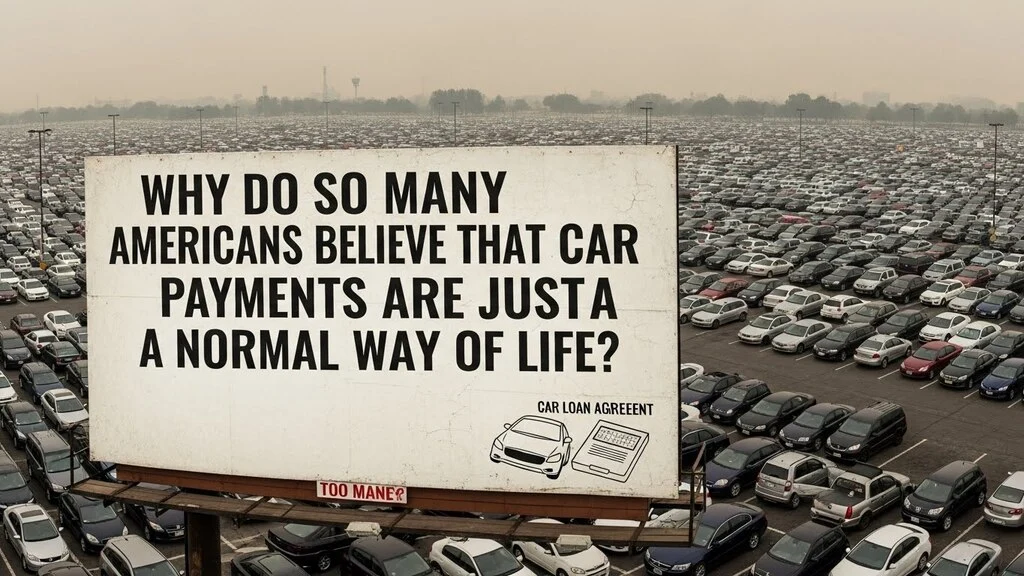
Why Do So Many Americans Believe That Car Payments Are Just a Normal Way of Life?
Many Americans think car payments are just part of life because cars are central to daily living in the U.S. and public transit is limited in many areas. High vehicle prices and easy financing make monthly payments easier than saving cash first.
Car ads and dealer tactics focus on low monthly payments rather than total price, which shapes what people expect. Over time, this made car loans seem normal rather than optional. This article will go into detail to tell you why do so many Americans believe that car payments are just a normal way of life?
How Car Financing Became Common in the U.S.
The car financing gained popularity in the U.S. after World War II when there was a rapid car growth. Auto firms and banks began to lend out money in order to enable more people to purchase cars without having to deposit the entire amount in cash.
Loan terms were extended and were easier to approve as time went by. This made it to look normal when it comes to financing among most buyers. With the growth of suburbs and the need to use cars to get to work and live, the idea of borrowing a car became a normal practice rather than a final resort.
Why Do So Many Americans Believe That Car Payments Are Just a Normal Way of Life?
From what I’ve seen, life in the U.S. almost forces people to own a car. When I looked deeper, the way cities were built explains why car ownership feels unavoidable.

Car-Centered Cities and Suburbs
After World War II, many American cities expanded outward instead of upward. Homes, offices, schools, and stores were built far apart, which made walking unrealistic. Zoning laws also separated housing from businesses, so daily travel almost always required a car.
Limited Public Transportation Options
Public transportation did not grow at the same speed as highways and suburbs. Many cities lack reliable trains or frequent bus systems outside downtown areas. Because of this, people often see cars as the only practical way to commute and manage daily tasks.
The Psychology Behind the Monthly Payment Mindset
At first, I did not believe that psychology had such a strong influence on how Americans think about car payments. After reading research and real examples, I realized the monthly payment focus quietly shapes almost every car-buying decision.
The Illusion of Affordability
Most of the buyers consider how much they would pay per month rather than the total cost of the vehicle plus the loan amount. Smaller payments are also cheaper to make because even with a long-term loan, the expensive cars appear affordable. This mentality conceals interest payments in the long run and the actual economic cost of the purchase.
The Influence of Marketing on How to Pay
Advertisements seldom provide focus on the overall cost or the lifetime cost of the vehicle. Rather, advertisements are aimed at low monthly payments that are easy to stretch into a budget. In the long run, such marketing conditions people to become affordability judgmental in terms of payments, as opposed to value.
Economic Pressure and Rising Vehicle Costs
From what I’ve seen, rising car prices combined with slow income growth push many Americans toward financing. When basic needs become more expensive each year, paying cash for a car often feels unrealistic for most households.
Stagnant Wages and Household Pressure
Wages for many American workers have not kept up with inflation and living costs over the past decades. At the same time, housing, healthcare and food expenses take a larger share of monthly income. This pressure leaves little room to save large amounts of cash for a vehicle purchase.
Why Vehicles Cost So Much More Today
Modern cars include advanced technology safety systems and electronics that raise production costs significantly. Supply chain issues and higher manufacturing expenses have also pushed prices higher. As prices rise faster than incomes, financing becomes the default option for many buyers.
Long Loan Terms, Leasing, and the Endless Payment Cycle
From what I’ve seen over the past few months, longer loan terms make expensive cars feel easier to accept. Once leasing enters the picture, many people never experience a payment-free period again.
Extended Loan Terms and Interest Costs
Auto loan terms have stretched from four years to six or even seven years for many buyers. Longer terms reduce the monthly payment but increase total interest paid over time. This keeps drivers in debt longer while the car loses value each year.
Leasing and Constant Upgrading
Leasing allows drivers to use a new car without owning it at the end of the contract. Monthly payments feel lower but never truly end because a new lease usually replaces the old one. This creates a cycle where drivers always pay but never build ownership.
The Hidden Financial Impact of Normalized Car Payments
I didn’t realize how much constant car payments could quietly damage people’s finances. Looking deeper, I found that normalizing these payments often keeps Americans stuck in debt and blocks long-term wealth building.

Reduced Savings and Emergency Funds
Car payments take a big part of many people’s monthly income, leaving less to save. Without enough savings for emergencies, unexpected costs often lead to more debt. This cycle makes financial recovery harder and causes ongoing stress.
Delayed Retirement Planning
When monthly car payments last for years, less money goes toward retirement savings. This slows down the growth of retirement funds, risking financial insecurity later in life. Many end up working longer or cutting back on essentials in retirement.
Increased Overall Debt Burden
Longer loans mean more interest paid over time, increasing total debt. Many Americans juggle car payments alongside credit cards, mortgages, or student loans. This combined debt load makes it difficult to become debt-free or save for the future.
Limited Ability to Invest or Build Wealth
Money tied up in car payments can’t be invested for growth elsewhere. This reduces the chances of building wealth through stocks, real estate, or businesses. Over time, paying endlessly on cars can keep people from growing their financial security.
How to Break Free from the Car Payment Cycle
Breaking free from the car payment cycle starts with changing how you buy cars. Buying used cars with cash helps avoid loans and interest costs. Following simple rules like the 20/4/10 guideline—20% down payment, a loan no longer than 4 years, and total car costs under 10% of your income—keeps finances healthy.
Also, focusing on reliable, affordable vehicles instead of flashy new ones can save money. Over time, this approach builds true ownership and financial freedom.
Conclusion
Car payments feel normal to many Americans because of how cities are built and how financing is marketed. Rising car costs and long loan terms make monthly payments seem like the only option.
This mindset is reinforced by easy credit and leasing traps, keeping people in a cycle of debt. But understanding these reasons can help break the habit. With smarter choices, it’s possible to own a car without feeling stuck in endless payments.


