
How Can Victims Strengthen A Truck Crash Settlement?
Truck crashes often leave victims with severe injuries that disrupt their entire lives instantly. Victims frequently face overwhelming medical bills and long, difficult recovery periods ahead. Insurance companies rarely offer fair compensation unless victims push back with strong, organized evidence. Strengthening a truck accident settlement requires careful preparation and clear supporting documentation throughout. Every decision victims make early in the process can shape their final settlement outcome. Want a better settlement result? Here are practical steps that can help you get there.
Gathering Strong Evidence After The Crash
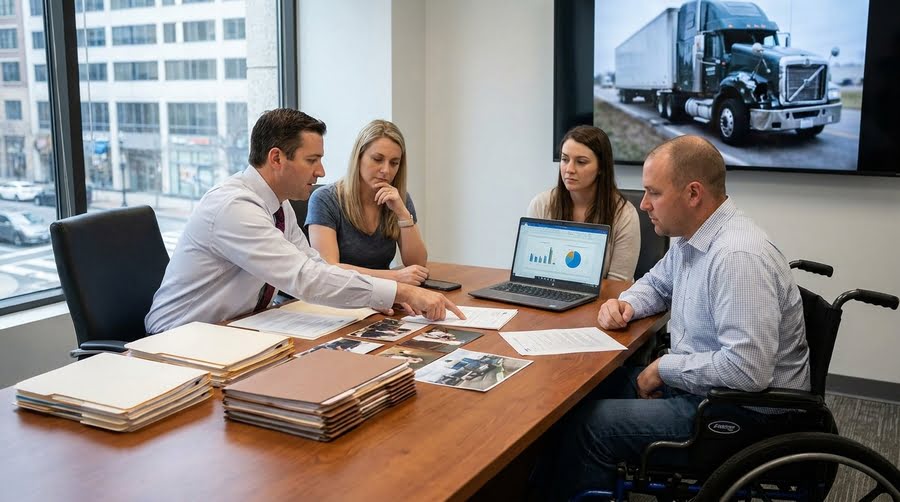
Evidence collected right after a truck crash carries significant weight during later settlement talks. Clear photographs of the scene help show exactly how the crash unfolded that day. Photographs and witness statements are thoroughly reviewed every time. Winocour Law does not settle for what insurers typically accept. Official police reports also provide a detailed, unbiased record of how the incident occurred. Medical records help link injuries directly to the truck crash that caused them. Reviewing this settlement value guidance early can help victims support much stronger claims.
Understanding Fault And Liability Factors
Determining fault after a serious truck crash can quickly become a complicated legal process. Multiple parties may share responsibility depending on the specific circumstances surrounding the crash itself. Trucking companies and drivers can sometimes share the blame for a crash. Federal safety regulations often influence exactly how fault gets assigned in these serious cases. A driver’s logbook can reveal important signs of fatigue or serious rule violations beforehand. Clear liability findings tend to support higher settlement amounts for injured victims.
Calculating Damages For A Fair Settlement
Damages in a truck crash case include far more than medical bills and repairs. Lost income and reduced future earning capacity should always factor into a fair settlement. Pain and suffering can significantly increase the overall value of any truck crash claim. Future medical needs should also be carefully factored into any proposed settlement amount. Emotional distress and major lifestyle changes deserve fair and thorough consideration during negotiations. Accurate, detailed calculations help prevent victims from accepting a low, unfair settlement offer.
Negotiating With Insurance Companies Effectively
Insurance adjusters often start negotiations with a deliberately low initial settlement offer. Staying patient throughout lengthy negotiations can often lead to noticeably better final results. Clear, organized evidence gives victims a real edge when negotiating with insurers. Written demand letters should clearly outline all damages in specific, well documented detail. Avoiding quick, premature settlements helps prevent serious long term financial hardship down the road. Skilled negotiation often results in a much better final settlement payout.
Working With Legal Support For Better Outcomes
Legal guidance can significantly simplify an otherwise complicated and stressful claims process for victims. Attorneys understand exactly how to counter common insurance company tactics used during negotiations. Experienced legal support helps victims avoid common, costly mistakes during settlement negotiations. Legal teams often handle paperwork and deadlines efficiently on behalf of victims. This allows injured victims to focus fully on their physical recovery instead of paperwork. Strong legal support often leads to much better outcomes in truck crash settlements.
Recovering from a serious truck crash usually takes real time and patience. Strengthening a settlement simply means preparing early and staying consistently organized throughout the process. Evidence and documented damages work together to shape the final outcome. Victims who stay informed throughout the process tend to negotiate with far more confidence. Every careful step taken now can help protect long term financial stability later. Careful preparation today can lead to a better tomorrow.


