
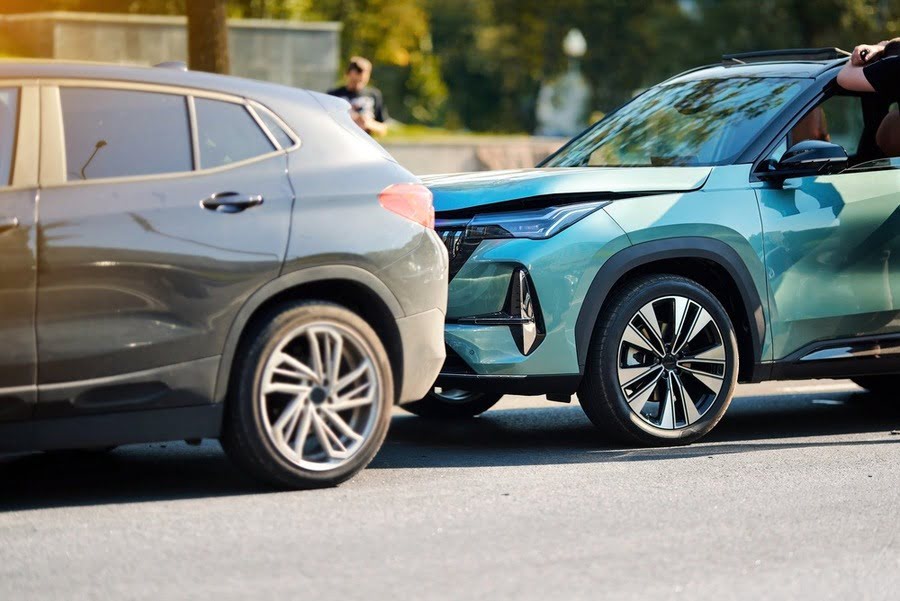
What Happens After a Car Accident if Both Drivers Blame Each Other
Confidence disappears fast after a car accident.
Two drivers step out believing they know exactly what happened, yet both stories sound completely different within minutes. One person insists the light was green, while the other claims the lane change came out of nowhere. That confusion creates tension almost immediately because every small detail suddenly feels important. Accidents in busy areas like Southfield, MI often become complicated once fault is disputed, especially during stressful traffic situations where memories feel rushed and unclear. Insurance calls, witness statements, and damaged vehicles all start shaping the story afterward.
That pressure is also why people sometimes begin searching for legal help after a car crash during disputed accidents.
Small Details Suddenly Become Extremely Important
Most drivers never expect tiny observations to matter so much after a collision. A few seconds before impact may later become the center of every conversation about the accident.
Vehicle positions, traffic signals, braking distance, and lane placement all start receiving attention once both drivers blame each other. Something as simple as where a car stopped after impact may affect how people understand the crash later.
Stress also changes how memory works. Drivers involved in accidents often focus only on the immediate shock around them instead of calmly observing every detail clearly. That confusion sometimes causes both people to remember the same crash completely differently afterward.
Drivers commonly disagree about:
Details Drivers Often Remember Differently
- traffic light timing
- vehicle speed
- braking distance
- lane position before impact
Those disagreements may sound minor at first, but they often shape how insurance companies review the accident later.
Witnesses Can Completely Shift the Story
People standing nearby often become extremely important after disputed crashes. A witness who saw the collision clearly may notice details both drivers missed during the stress of the moment.
Someone nearby may have seen one vehicle drifting between lanes or speeding before the impact happened. Another witness may remember traffic signals more clearly because they were not directly involved in the crash itself.
Outside observations usually carry weight because neutral witnesses have no personal involvement in the accident. Their version of events may help reduce confusion once both drivers begin blaming each other strongly.
The problem is that witnesses leave quickly. Traffic begins moving again, people continue with their day, and valuable observations sometimes disappear within minutes after the collision.
That is why disputed accidents often become more difficult later if nobody gathers witness information early at the scene.
Insurance Companies Start Looking for Contradictions
Once both drivers tell different stories, insurance companies begin reviewing every detail carefully. Conflicting statements usually slow down conversations because investigators search for inconsistencies between reports, photos, and vehicle damage.
Insurance representatives often examine accident photos closely because damage patterns sometimes reveal how the collision happened more clearly than verbal explanations alone. Police reports, traffic camera footage, and witness statements may also become important during these reviews.
Several things often receive close attention after disputed crashes:
Information That Usually Gets Reviewed Closely
- police reports
- vehicle damage patterns
- dashcam footage
- photographs from the scene
Drivers sometimes feel frustrated during this process because every statement may be compared against physical evidence afterward. A rushed comment made during stress can later create confusion if details change slightly during later conversations.
That growing pressure explains why some people begin searching for legal help after a car crash once insurance disputes start becoming more complicated and emotionally draining.
Drivers Often Realize They Missed Important Information
Many people leave accident scenes believing they remember everything clearly, but stress affects attention more than drivers realize. Important details sometimes become noticeable only hours later, after emotions have settled down.
A driver may suddenly remember another vehicle nearby, delayed braking, or confusion around a traffic signal. Busy intersections especially create problems because multiple cars, changing lights, pedestrians, and turning vehicles all compete for attention at the same time.
Adrenaline also affects focus immediately after crashes. People may remember one dramatic moment perfectly while completely forgetting smaller details that later become important during insurance conversations.
This confusion becomes even worse during fast-moving traffic situations where events unfold within seconds.
Conclusion
Many drivers assume one person must always be entirely responsible for a car accident. Real crashes are often more complicated than that, especially during lane changes, merging traffic, sudden braking, or crowded intersections in Southfield, MI.
Road conditions, driver behavior, visibility, and traffic flow all influence how collisions are reviewed afterward. Sometimes multiple factors contribute to the crash at the same time, which is why disputed accidents often become emotionally exhausting for everyone involved.
Early arguments at the scene rarely settle the situation completely. Evidence, observations, and recorded information usually matter far more once the accident receives closer review later. Calm thinking and careful attention often become more valuable than emotional reactions during those stressful first conversations after a collision.


