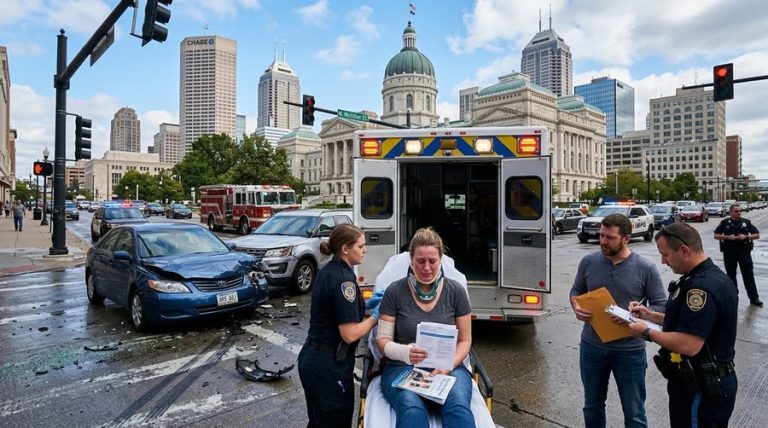

Car Accident Help: How to Find the Right Support After a Collision
Every year, over 6 million car accidents occur in the United States, affecting more than 3 million people with injuries—and that number has been steadily climbing as traffic density increases and distracted driving becomes more prevalent. What’s particularly concerning is that 74% of accident victims report feeling overwhelmed by the immediate aftermath, unsure of their rights or what steps to take first. The chaos following a collision isn’t just about physical damage; it’s about navigating a complex web of insurance claims, legal considerations, and health concerns while you’re likely dealing with shock, pain, or trauma.
The stakes couldn’t be higher. Making the wrong moves in those critical first hours and days can cost you thousands in uncovered medical expenses, reduce your insurance settlement, or even expose you to legal liability you could have avoided. Yet most people have never received any guidance on post-accident procedures beyond the basics of exchanging insurance information. Consulting trusted Modesto car accident legal counsel can help ensure you take the right steps and secure the support needed to protect your rights and recovery.
What Are the Immediate Steps to Take After a Car Accident?
The moments immediately following a collision determine everything that comes after, yet most drivers operate on incomplete information about what actually matters. Your first priority isn’t documenting the scene or calling your insurance company—it’s ensuring everyone’s safety and getting appropriate medical attention. Emergency response protocols exist for good reason: adrenaline and shock can mask serious injuries, and what seems minor can become life-threatening without proper evaluation.
If anyone appears injured or complains of pain, call 911 immediately. Don’t let the other driver convince you that “everything looks fine” or that you should handle it privately. According to emergency medical professionals, symptoms of concussion, internal bleeding, or spinal injury often don’t manifest for hours after impact. Even if you feel completely normal, consider that whiplash symptoms typically appear 24-48 hours later, and having medical documentation from the scene strengthens any future insurance claims significantly.
Once safety is secured, proper documentation becomes your insurance policy against disputes later. Take photos of all vehicles from multiple angles, including license plates, damage areas, and the overall accident scene. Capture road conditions, traffic signals, and any relevant signage. Get contact information from all drivers involved, including insurance company names and policy numbers. If there are witnesses, their statements can be invaluable—jot down their contact information and ask for a brief description of what they saw.
Police reports aren’t required for every accident, but they’re highly recommended for anything beyond the most minor fender-benders. Law enforcement officers are trained in accident scene analysis and will create an official record that insurance companies and courts recognize as authoritative. Even if the other driver admits fault at the scene, people’s stories often change once they’ve spoken to their insurance company or realized the extent of damages involved.
How Does the Car Accident Insurance Claims Process Work?
Filing an insurance claim might seem straightforward, but the process involves strategic decisions that can significantly impact your final settlement. Insurance adjusters work for the insurance company, not for you—their job is to minimize payouts while appearing helpful and cooperative. Understanding this dynamic changes how you approach every conversation and document you provide.
The claims process typically begins when you notify your insurance company of the accident, ideally within 24 hours. Your insurer will assign an adjuster who will investigate the claim, evaluate damages, and determine fault percentages. However, if the other driver was at fault, you’ll likely be dealing with their insurance company’s adjuster as well. This is where things get complicated: you’re not obligated to give a recorded statement to the other driver’s insurance company, and doing so without understanding your rights can hurt your claim.
Coverage types make a huge difference in how your claim proceeds. If you have collision coverage, your insurance company will typically pay for your vehicle repairs minus your deductible, then seek reimbursement from the at-fault driver’s insurance. Personal injury protection (PIP) or medical payments coverage can cover immediate medical expenses regardless of fault. Understanding what coverage you actually have—before you need it—prevents nasty surprises when you’re already dealing with accident stress.
Common claim denials occur when insurance companies dispute fault, argue that damages aren’t accident-related, or claim that treatment is excessive or unnecessary. They might also deny claims if they believe you contributed to the accident or if there are gaps in your medical treatment. Claim denial reasons often center on documentation issues: insufficient evidence of the other driver’s fault, lack of immediate medical attention, or statements you made that could be interpreted as accepting blame.
The negotiation phase is where having proper documentation and understanding your rights becomes crucial. Insurance companies often make initial settlement offers that are significantly lower than what you’re entitled to receive. They’re counting on your desire to resolve the situation quickly and your unfamiliarity with how damages are calculated.
What Are the Key Legal Concepts in Car Accident Cases?
Liability and negligence form the foundation of car accident law, but these concepts are more nuanced than most people realize. Liability simply means legal responsibility for the accident and its consequences. Negligence, however, is the legal theory that establishes liability—it means someone failed to exercise reasonable care, and that failure caused the accident. Understanding this distinction matters because it affects how fault is determined and how damages are calculated.
Most states follow either comparative negligence or contributory negligence rules. Under comparative negligence, your compensation is reduced by your percentage of fault. So if you’re found 20% at fault for an accident, your settlement is reduced by 20%. Contributory negligence, used in only a few states, is harsher: any fault on your part can completely bar you from recovery. Knowing which system your state uses affects how you approach your claim and what settlement offers might be reasonable.
Fault determination isn’t always obvious, even in seemingly clear-cut cases. Insurance adjusters and legal professionals consider traffic laws, road conditions, vehicle maintenance, driver behavior, and witness testimony. A rear-end collision typically suggests the trailing driver was at fault, but exceptions exist if the lead driver stopped suddenly for no reason or had broken brake lights. Left-turn accidents usually fault the turning driver, but not if they had a green arrow or if the other driver was speeding significantly.
Your legal rights extend beyond just property damage compensation. You’re entitled to compensation for medical expenses, lost wages, pain and suffering, and future medical needs if injuries have lasting effects. However, insurance companies rarely volunteer information about all the damages you can claim. They might quickly offer to cover your car repairs and immediate medical bills while hoping you don’t realize you can claim lost income from missing work or compensation for ongoing physical therapy.
Legal terminology can be intentionally confusing. When an adjuster talks about “policy limits,” they mean the maximum amount the insurance company will pay—not necessarily what your damages are worth. “Pre-existing conditions” doesn’t mean you can’t claim compensation if the accident aggravated an existing injury. “Comparative negligence” doesn’t mean you share equal blame; it means the percentage of fault affects your compensation.
Why Is Documentation Important in Car Accident Cases?
Comprehensive documentation serves as your protection against disputes, memory failures, and changing stories from other parties involved. Insurance companies and legal professionals know that accident victims often don’t understand what evidence will be crucial months later when settlement negotiations intensify or lawsuits are filed. The documentation you gather immediately after the accident often becomes the most valuable evidence in your case.
Police reports carry significant weight because they represent an objective third party’s assessment of the accident scene. Officers are trained to diagram accidents, identify contributing factors, and note violations of traffic laws. However, police reports aren’t infallible—officers sometimes make errors or miss important details. If you disagree with something in the police report, you typically have a limited time window to request corrections or file a supplemental report.
Photographic evidence captures details that written descriptions can’t convey effectively. Insurance adjusters use photos to assess damage severity, verify claims, and reconstruct accident sequences. Take wide-angle shots showing the overall scene, close-ups of vehicle damage, and photos of road conditions including skid marks, debris, or weather-related factors. Timestamp features on smartphones help establish when photos were taken, preventing disputes about scene alteration.
Medical documentation creates the crucial link between the accident and your injuries. Seeking immediate medical attention isn’t just about your health—it establishes medical records that insurance companies can’t dispute later. Gaps in medical treatment give insurance companies ammunition to argue that your injuries weren’t serious or weren’t caused by the accident. Keep detailed records of all medical appointments, treatments, medications, and how injuries affect your daily activities.
Witness statements provide independent perspectives that can corroborate your version of events. Witnesses aren’t emotionally invested in the outcome and often notice details that drivers miss during the chaos of an accident. Get contact information and a brief written or recorded statement while memories are fresh. Witnesses become harder to locate as time passes, and memories fade or become less reliable.
Vehicle inspection reports from qualified mechanics can identify damage that isn’t immediately visible but affects vehicle safety or value. Hidden damage to frame components, suspension systems, or safety features might not be apparent to insurance adjusters doing quick visual inspections, but can significantly affect repair costs and vehicle safety.
How Are Car Accidents Investigated and What Evidence Is Used?
Accident reconstruction has evolved far beyond simple measurements and witness statements into a sophisticated blend of physics, engineering, and forensic analysis. Professional accident reconstructionists use mathematical formulas, computer modeling, and scientific principles to determine vehicle speeds, impact forces, and sequence of events. Understanding how this process works helps you appreciate what evidence matters most in complex cases.
Forensic evidence includes physical clues that tell the story of how an accident occurred. Skid marks reveal braking patterns and vehicle speeds before impact. Paint transfer between vehicles shows points of contact. Damage patterns indicate impact angles and force levels. Debris fields suggest vehicle trajectories after collision. Glass fracture patterns can even indicate whether headlights were on at the time of impact, which might be relevant in dawn or dusk accidents.
Modern vehicles contain event data recorders (EDRs), similar to black boxes in aircraft, that capture crucial information about the seconds before and during a crash. These devices record vehicle speed, brake application, steering input, seatbelt usage, and airbag deployment timing. EDR data is admissible in court and can definitively resolve disputes about driver behavior immediately before impact.
Technology-assisted investigation increasingly includes traffic cameras, dash cameras, and smartphone data. Intersection cameras might capture the actual accident, while nearby business security cameras could show vehicle behavior leading up to the collision. Dash cameras from other vehicles sometimes record accidents they weren’t involved in. Even smartphone location data can help establish timelines and vehicle positions.
Expert witness testimony becomes crucial when accidents involve complex technical issues or disputed fault scenarios. Accident reconstruction experts can explain physics principles to juries, while medical experts can connect injuries to accident forces. Automotive engineers might testify about vehicle defects, while human factors experts can address issues like driver visibility or reaction times.
The investigation process varies significantly based on accident severity. Minor accidents might receive only basic police investigation, while serious injury or fatality accidents trigger comprehensive investigations involving specialized units, detailed measurements, and extensive evidence collection. Understanding the level of investigation your accident receives helps you know what evidence will be available for your insurance claim or potential lawsuit.
What Are the Psychological and Long-Term Effects of Car Accidents?
Psychological trauma from car accidents affects victims far more frequently than most people realize, with studies showing that approximately 39% of car accident victims develop post-traumatic stress disorder (PTSD) within six months of their crash. The impact extends beyond obvious cases involving serious injuries or fatalities—even minor accidents can trigger anxiety, depression, or driving phobias that significantly affect quality of life and earning capacity.
Acute stress responses immediately following an accident are normal and expected. Shock, confusion, emotional numbness, or feeling overwhelmed are natural reactions to sudden trauma. However, these symptoms typically resolve within a few days to weeks. When symptoms persist or worsen over time—such as intrusive thoughts about the accident, nightmares, avoidance of driving, or panic attacks—professional intervention becomes important for recovery and legal documentation purposes.
The connection between psychological trauma and long-term disabilities is well-established in medical literature. Chronic pain conditions often develop or worsen due to stress and anxiety following accidents. Sleep disruption from trauma can slow physical healing and contribute to depression. Fear of driving can limit employment opportunities and social connections, creating economic and emotional consequences that compound over time.
Treatment and rehabilitation for psychological effects require specialized approaches that many accident victims don’t know exist. Trauma-focused therapy, cognitive behavioral therapy, and EMDR (Eye Movement Desensitization and Reprocessing) have proven effective for accident-related PTSD. Some victims benefit from gradual exposure therapy to overcome driving anxiety. The key is seeking appropriate help early, before symptoms become entrenched patterns.
Documentation challenges arise because psychological injuries aren’t visible like broken bones or lacerations. Insurance companies often minimize or deny claims for mental health treatment, arguing that psychological symptoms aren’t directly related to the accident or that treatment is excessive. Having proper medical documentation from qualified mental health professionals becomes crucial for insurance claims and potential legal action.
Family impact extends accident consequences beyond the direct victims. Spouses and children often develop their own anxiety about driving or being passengers. Family dynamics change when accident victims develop depression, chronic pain, or mobility limitations. These secondary impacts can sometimes be compensated in legal settlements, but only if properly documented and presented.
The economic consequences of psychological trauma often exceed the costs of physical injuries. Lost wages from inability to drive to work, reduced earning capacity due to concentration problems or anxiety, and ongoing therapy costs can accumulate over years. Understanding these potential long-term effects helps accident victims seek appropriate evaluation and treatment early in the recovery process.
How Can Car Accidents Be Prevented and What Are Future Trends?
Common accident causes reveal patterns that suggest targeted prevention strategies. According to National Highway Traffic Safety Administration data, distracted driving contributed to 8.5% of fatal crashes in 2019, while speeding was a factor in 26% of traffic fatalities. However, the underlying causes often involve multiple factors: fatigue reduces reaction time, making speeding more dangerous; poor vehicle maintenance makes loss of control more likely during evasive maneuvers.
Driver education and awareness campaigns have shown measurable results when properly implemented. Programs focusing on specific behaviors—such as texting while driving or following distance—tend to be more effective than general safety appeals. Defensive driving courses teach practical skills like hazard recognition, proper following distances, and emergency maneuvers that can prevent accidents or reduce their severity.
Vehicle safety technology is rapidly evolving beyond traditional features like airbags and antilock brakes. Advanced driver assistance systems (ADAS) now include automatic emergency braking, lane departure warnings, blind spot monitoring, and adaptive cruise control. These systems have demonstrated significant accident reduction potential—automatic emergency braking alone reduces rear-end collisions by approximately 40% according to insurance industry studies.
Autonomous vehicle technology promises dramatic changes in accident prevention, but the transition period creates new challenges. Current systems require human oversight and can fail in unexpected situations. Mixed traffic with both autonomous and human-driven vehicles may create new types of accidents as driving patterns and expectations change. Understanding these evolving technologies helps drivers make informed decisions about vehicle purchases and understand liability issues in accidents involving automated systems.
Infrastructure improvements continue to reduce accident rates through better road design, improved signage, and enhanced traffic management systems. Roundabouts reduce severe accidents compared to traditional intersections. Rumble strips prevent run-off-road crashes. Smart traffic signals adjust timing based on actual traffic patterns rather than fixed schedules.
Behavioral research increasingly focuses on understanding why people make risky driving decisions despite knowing the consequences. Factors like time pressure, emotional stress, and overconfidence in driving abilities contribute to accidents in predictable patterns. Prevention strategies that address these psychological factors show promise for reducing accident rates beyond what technology and enforcement can achieve alone.
The future of accident prevention likely involves integrated systems combining vehicle technology, infrastructure improvements, and behavioral interventions. Real-time data sharing between vehicles and infrastructure could warn drivers about hazards ahead, adjust traffic signals to prevent congestion-related accidents, and provide emergency responders with immediate accident notification and location data.
As we navigate this evolving landscape of vehicle technology and safety systems, the fundamental importance of understanding your rights and options after an accident only increases. The complexity of modern vehicles, insurance policies, and legal frameworks means that informed accident victims consistently achieve better outcomes than those who simply hope everything will work out. Whether dealing with the immediate aftermath of a collision or planning for prevention, knowledge and preparation remain your strongest tools for protecting yourself and your family on today’s roads.